
Uncategorized
Different Types of Candle Wax Explained
Feb
Choosing the perfect candle involves more than just picking a scent. The foundation of any great candle is its wax, a key factor that directly influences how long it burns, how strong it smells, and even its environmental impact. With so many options on the market, understanding the core characteristics of each type is essential for both buyers and makers. This guide will break down the most common types of candle wax, providing you with the detailed knowledge to make an informed choice for your next purchase or crafting project.
From the traditional paraffin to natural soy and luxurious coconut, each wax variant offers a unique set of properties. We’ll explore the pros and cons of these materials—including burn time, scent throw, and sustainability—so you know exactly what to look for. Whether you prioritize a clean, long-lasting burn or a powerful, room-filling fragrance, the right candle wax makes all the difference. Let’s dive into the specifics.
Paraffin Wax: The Traditional Choice
Paraffin wax is a petroleum-based product and has long been the most common candle wax in the industry. Its popularity stems from its excellent performance: it holds high levels of fragrance oil and colorant beautifully, resulting in candles with a powerful hot scent throw and vibrant hues. It’s also very affordable and has a predictable, easy-to-work-with consistency for manufacturers, making it a standard for many commercial candles you find on shelves.
However, paraffin is a non-renewable resource, which is a significant drawback for eco-conscious consumers. When burned, it can release more soot and potentially other emissions compared to some natural waxes, which may affect indoor air quality. While modern, refined paraffin is much cleaner than older versions, it is often viewed as the less natural option among the various types of candle wax.
Soy Wax: The Natural Favorite
Derived from hydrogenated soybean oil, soy wax is a renewable, biodegradable vegetable wax that has surged in popularity. It burns cleaner and slower than paraffin, offering a longer candle life with minimal soot. Soy is also celebrated for its excellent cold scent throw—the strength of the fragrance when the candle is unlit—and its ability to hold a good amount of fragrance oil, though its hot throw can sometimes be softer than paraffin’s.
A common characteristic of pure soy wax is “frosting,” a natural, crystalline, whitish pattern that appears on the surface, which some appreciate as a sign of a natural product, though others may see it as a cosmetic flaw. It is a relatively soft wax, which is why you’ll often find it in container candles rather than as free-standing pillars. For those seeking a natural, A.U.-grown candle material, soy is a top contender.
Beeswax: The Ancient Classic
Beeswax is one of the oldest types of candle wax, naturally produced by honeybees. It is entirely natural and emits a subtle, sweet honey scent when burned without any added fragrance. Notably, beeswax candles are known to produce negative ions when burned, which can help purify the air by neutralizing pollutants, dust, and odors—a unique benefit among candle waxes.
This luxury wax burns brightly and slowly, often with a natural dripless quality when properly made. Its natural color ranges from deep yellows to light golds, and it is typically more expensive due to the labor-intensive harvesting process. Beeswax is harder than soy or paraffin, making it suitable for elegant pillars and tapers, and is a favorite for those who prefer completely unscented or naturally aromatic candles.
Coconut Wax: The Premium Performer
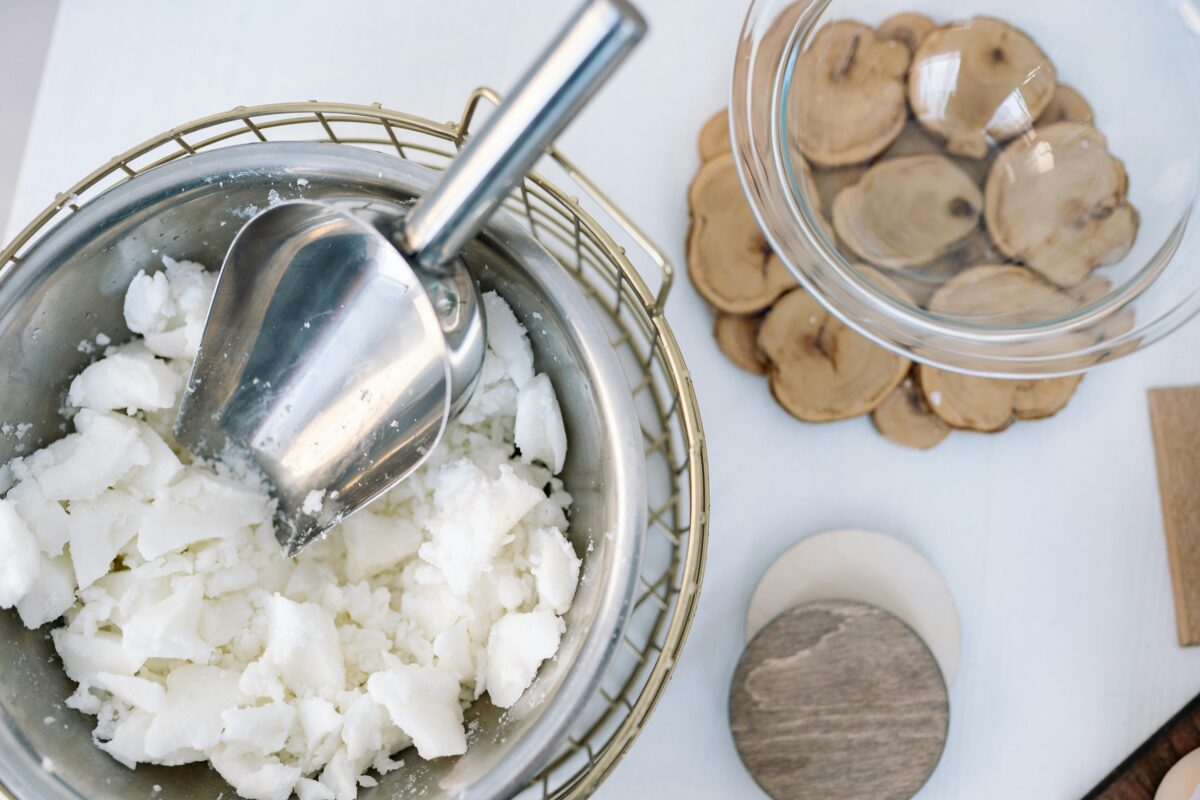
Coconut wax is a premium, sustainable option made from the cold-pressed oil of coconuts, often blended with other natural waxes to achieve an ideal consistency. It is renowned for its superb scent throw, both cold and hot, often considered the best among natural waxes. This type of candle wax also has a very low melting point, resulting in a wide, even wax pool that maximizes fragrance diffusion and provides an exceptionally clean burn.
The appearance of coconut wax is typically very smooth and creamy, appealing to those who value aesthetic perfection in their candles. While it is one of the more expensive wax bases, its performance and sustainable origins—often from existing food industry byproducts—justify the cost for many. It represents a high-end choice in the world of natural candle making materials, prized for its luxurious burn qualities.
Palm Wax: The Textured Artist
Palm wax is derived from the oil of palm trees and is notable for its unique, crystalline appearance that creates beautiful feathered or granite-like patterns. It is a very hard, durable wax, making it an excellent choice for free-standing pillar candles and vibrant, detailed votives. When sourced responsibly, it is also a renewable vegetable-based wax, offering a natural alternative with distinct visual appeal.
The significant caveat with palm wax is environmental responsibility. Unsustainable palm oil production is linked to deforestation and habitat destruction. Consumers and makers must seek out wax made from sustainable palm oil that is RSPO (Roundtable on Sustainable Palm Oil) certified. This ensures the wax supports ethical production practices, making it a conscientious choice among the various natural candle waxes.
Blended Waxes: The Best of Both Worlds
To balance cost, performance, and aesthetics, many candles today use blended waxes. Common combinations include soy and paraffin or soy and coconut wax. The goal is to merge the benefits of each component; for instance, adding paraffin to soy can enhance scent throw and reduce frosting, while maintaining a cleaner burn than paraffin alone. These candle wax blends are engineered to offer a more reliable and consistent performance for both hobbyists and commercial brands.
The composition of blends can vary widely, so it’s important to check labels if you have a specific preference. A “soy blend” candle might contain a majority of soy wax, or it might not. Blends allow for customization, creating a candle wax that might burn cleaner, hold more fragrance, or achieve a smoother finish than a single wax could alone, providing a versatile middle ground in the wax spectrum.
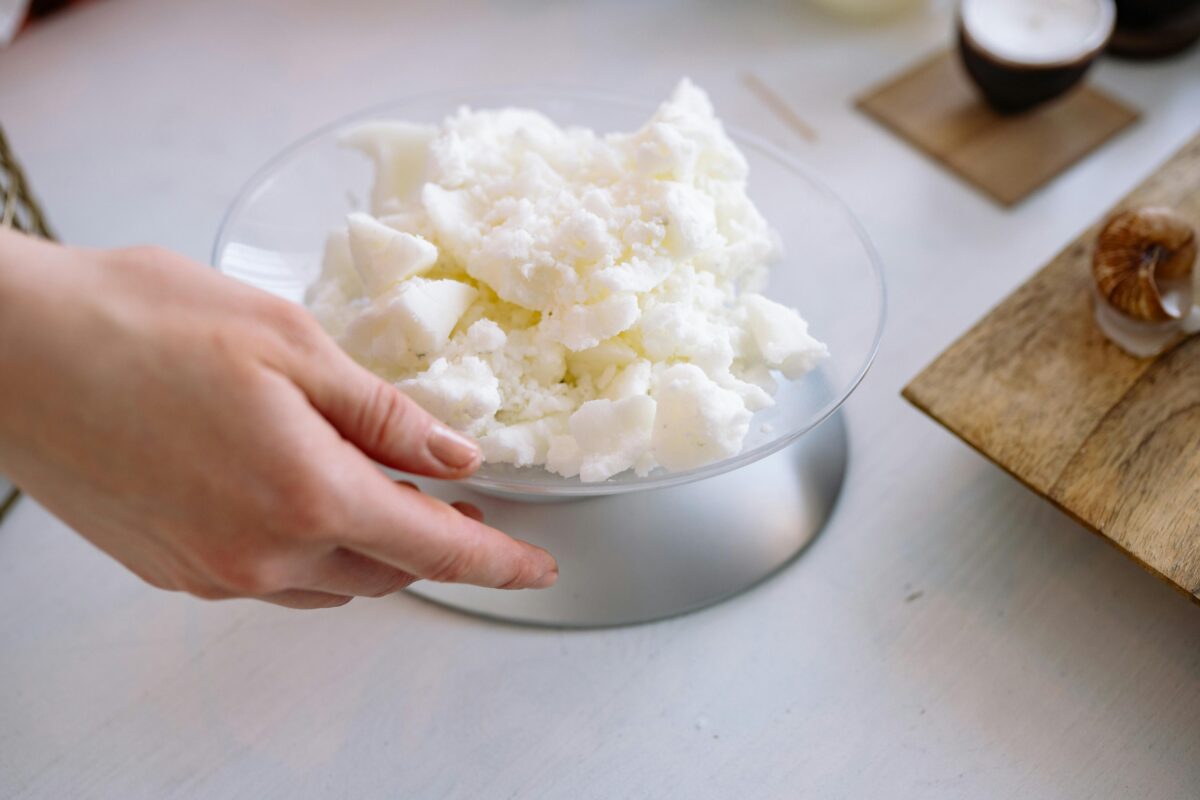
How to Choose the Right Type of Candle Wax for You
Your ideal type of candle wax depends on what you value most. For the strongest, most consistent fragrance throw, paraffin or coconut wax are top performers. If a natural, clean-burning, and biodegradable product is your priority, then soy, beeswax, or certified sustainable palm wax are excellent choices. For a dripless, unscented candle with air-purifying qualities, pure beeswax is unmatched.
Consider your budget and desired candle aesthetics as well. Soy and paraffin are generally more affordable, while beeswax and coconut wax sit at a premium. If you love unique visual textures, palm wax is ideal, while coconut and soy blends often offer a smooth, creamy look. Use this breakdown of candle wax properties as a checklist to match a wax’s characteristics with your personal preferences for the perfect candle experience.
Conclusion: What Works Best For You
Ultimately, the “best” wax doesn’t exist—it’s a matter of personal priority and intended use. Each of the types of candle wax we’ve explored brings its own set of advantages to the table, from paraffin’s powerful scent to soy’s natural appeal and coconut wax’s premium performance. We encourage you to experiment with different types to discover which wax aligns best with your needs for fragrance, burn time, aesthetics, and environmental values.
As a final tip, always read candle labels carefully. Look for specifics like “100% soy wax,” “beeswax blend,” or “RSPO-certified palm” to ensure you’re getting the candle material you expect. Armed with this knowledge, you can now navigate the candle aisle or wax supplier with confidence, ready to select or create the perfect candle for any moment.
